

- Gepostet am Oct 16, 2026
- 0 Kommentare
- von DAVIT GRIGORYAN
Designer fashion is an emotional purchase, but it is also a financial decision. When everyday expenses compete for more of a household budget, the question shifts from “What do I want?” to “What will I genuinely enjoy wearing?” That does not have to mean giving up personal style. It means choosing with greater intention.
Economic pressure changes the value equation
Inflation can reduce purchasing power when incomes do not keep pace with prices. Higher borrowing costs can also make purchases on credit more expensive. For someone considering designer clothing, shoes, or accessories, those pressures can make versatility and a comfortable spending limit more important than novelty.
There is no single response shared by every luxury shopper. Some postpone a purchase, others buy fewer pieces, and some continue prioritizing fashion while reducing spending elsewhere. A sensible wardrobe strategy starts with your own finances, not assumptions about what everyone else is buying.
Choose the piece, not just the label
A recognizable name can be part of the appeal, but it does not tell the whole story. Look at the garment’s fabric, construction, fit, care requirements, and usefulness in your existing wardrobe. A beautifully designed jacket that feels uncomfortable or requires care you cannot realistically maintain may deliver less value than a simpler piece you reach for every week.
Compare individual items rather than assuming one designer is always the better choice. Different collections and product categories can serve very different needs, even within the same fashion house.
Use cost per wear as a reality check
Cost per wear divides a purchase price by the number of times you expect to wear an item. For example, a $600 jacket worn 100 times has a purchase cost of $6 per wear. A $200 statement piece worn five times costs $40 per wear. These are illustrations, not forecasts, and cleaning, repairs, and alterations add to the total.
The calculation is useful only when the wear estimate is honest. Think about your actual workdays, climate, social plans, and preferred outfits. Buying something because you hope to become the person who wears it is different from buying for the life you already live.
Balance timeless design with personal expression
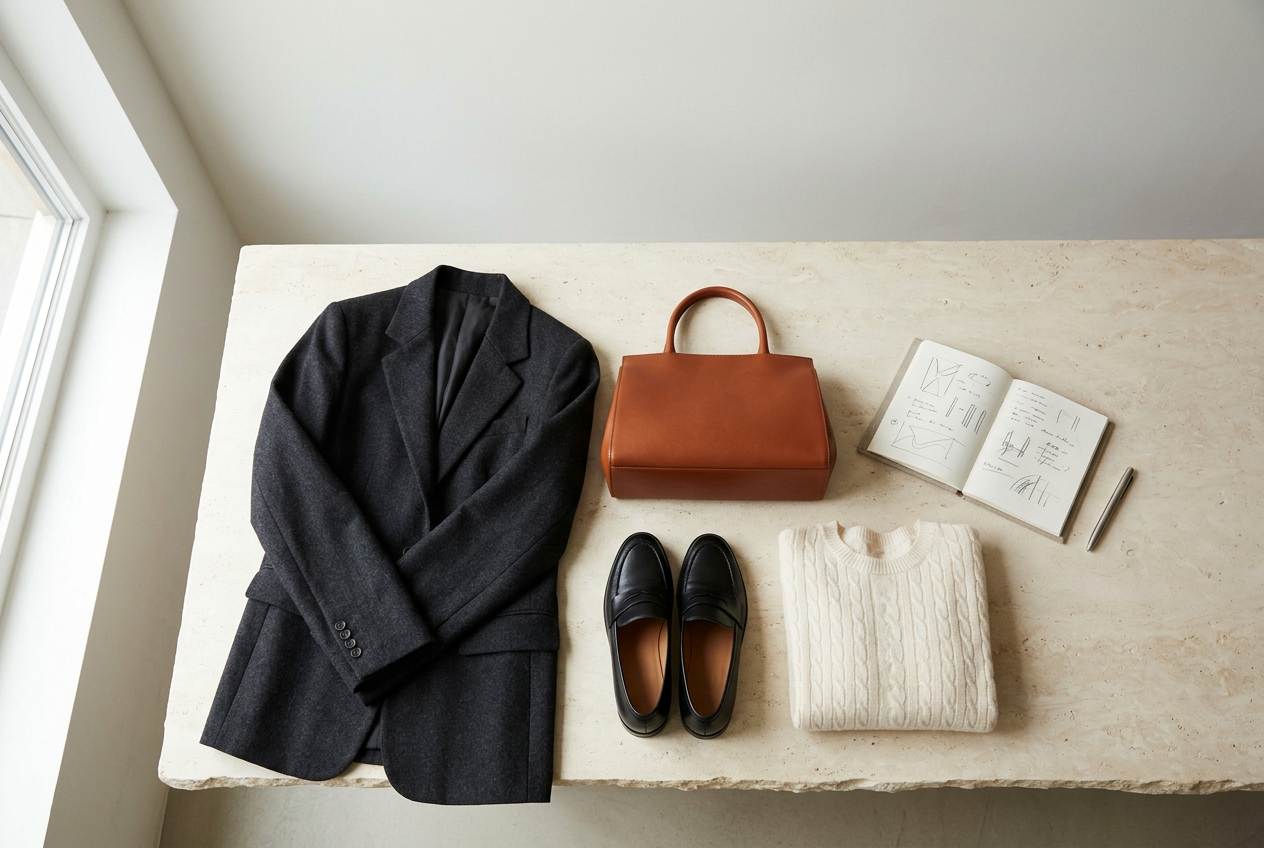
Neutral colors, adaptable silhouettes, and easy-to-coordinate accessories can make repeat styling simpler. But “timeless” is personal. A bold print you have loved for years may be a better choice than a minimalist bag you buy only because it seems practical.
Try imagining at least three outfits using pieces you already own before adding something new. If the purchase requires several more purchases to make it work, its real cost may be higher than the price tag suggests.
Make discounts work for your budget
A reduced price can create an opportunity, but a discount does not make an unnecessary purchase affordable. Set a total spending limit first, then compare the final price, fit, condition, delivery costs, and return terms. Do not let a percentage-off message replace that assessment.
If you are considering credit, look at the total repayment amount and whether payments fit comfortably alongside essential expenses. Waiting is a valid choice when a purchase would create financial strain.
Do not confuse designer fashion with a guaranteed investment
Some pieces attract resale interest, but future selling prices are uncertain. Condition, demand, fees, and the time it takes to find a buyer all affect what you might recover. Buy primarily for the enjoyment and usefulness you expect from wearing the item, rather than counting on resale proceeds.
A more intentional approach to luxury
The most useful response to an uncertain economy is not a rule that everyone should spend less or buy the same essentials. It is a clearer definition of value: a price you can comfortably afford, quality you can assess, and a design that earns its place in your wardrobe.
At BAYSUPERSTORE, bring that mindset to your next designer-fashion search. Compare carefully, choose for your own style, and give yourself permission to wait for the right piece. A thoughtful choice should feel good beyond the moment of checkout.
